US-Iran Hormuz agreement odds stay low despite breakthrough talk
Mediators told reporters a breakthrough could come this week, but Polymarket traders still see little chance of a signed Hormuz shipping deal in October.
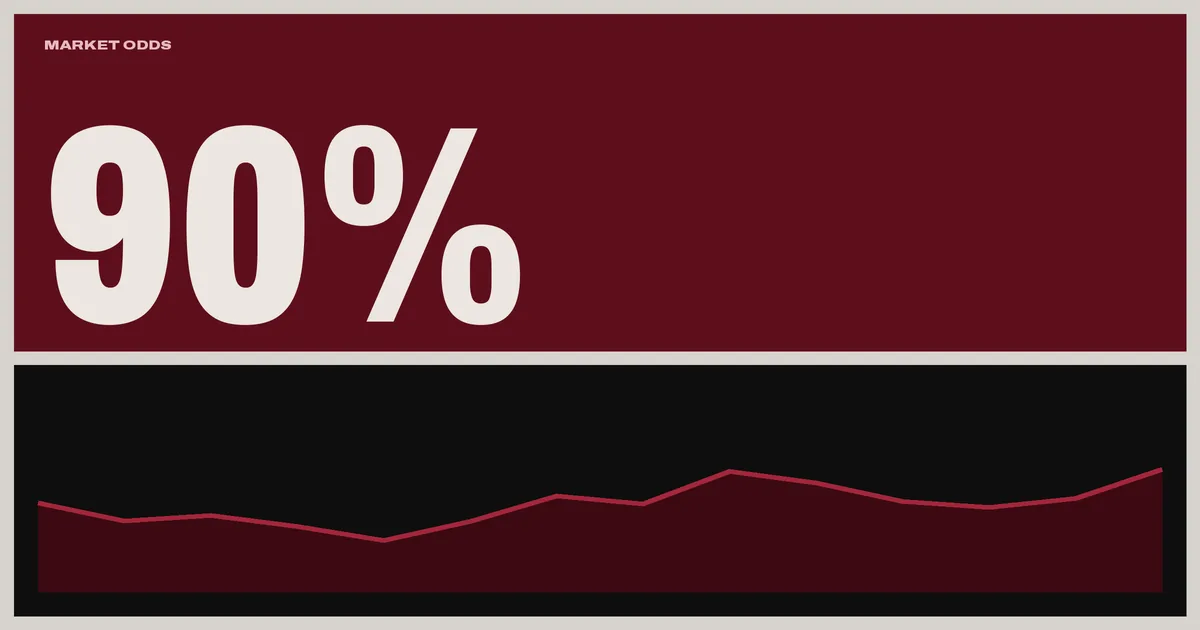
US-Iran Hormuz agreement odds remain low on Polymarket even as mediators talk up progress. On Monday, Oct. 19, sources told The New Arab that a breakthrough in Qatari and Pakistani mediation could be announced this week. Yet traders priced an agreement on Strait of Hormuz shipping by Oct. 31 at just 10% as of 08:29 MSK on Oct. 20.
What happened
The New Arab said negotiators were trying to narrow differences and encourage mutual concessions to head off another military confrontation, and that its sources ruled out an immediate escalation. Concerns persist that fighting could resume after the Nov. 3 U.S. midterm elections.
Public positions remain far apart. Iranian Foreign Minister Abbas Araghchi said on Sunday that Tehran's offer to reopen the strait within seven days still stands if Washington lifts the blockade on Iranian ports, eases curbs on oil exports and halts hostilities across regional fronts. Tehran has received a U.S. response and is reviewing it. Washington insists on putting Iran's nuclear program at the center of talks, including substantial cuts to uranium enrichment capacity.
The rhetoric has also hardened. U.S. Secretary of War Pete Hegseth warned on Saturday that Iran faced "destruction" unless it gave up its nuclear ambitions, and President Donald Trump threatened on Sunday to "soon finish the job," while endorsing Israeli Prime Minister Benjamin Netanyahu before Israel's Oct. 27 election, Iran International reported.
Why it matters
For energy markets, the strait is the whole story. Kpler estimates Gulf crude shipments averaged roughly 8.5 million barrels a day last week, against over 20 million the week before. A credible reopening deal would be the fastest route to lower prices, which is why oil desks watch the Hormuz attack headlines so closely.
Analysts are skeptical of a big bargain. Danny Citrinowicz, who once led the Iran desk at Israel's military intelligence, told Iran International that continuing diplomatic exchanges were not evidence of an imminent breakthrough. Alex Vatanka of the Middle East Institute said a narrow arrangement was more plausible, perhaps one that creates ceasefire conditions for weeks or months.
The market's rules explain part of the gap. Polymarket requires both governments to announce acceptance of the same agreement that sets Iranian commitments to permit or restore shipping. Statements about ongoing talks do not count. US-Iran Hormuz agreement odds rise to 26% by Nov. 30 and 32% by Dec. 31, while a final nuclear deal this year trades at 14%.
What's next
Several dates matter. Iran's ISNA agency said Asim Munir, who heads Pakistan's army, could travel to Tehran this week, and Russian Foreign Minister Sergei Lavrov held talks there on Monday. Israel votes on Oct. 27. Any joint text would show up first in official statements, which traders can track against the Polymarket contract.
A ceasefire-style pause, like the one that briefly calmed crude in our Monday oil report, would not by itself settle this market. US-Iran Hormuz agreement odds will move only on a signed, mutually announced shipping deal.
The call
We call that the United States and Iran will not announce a Hormuz shipping agreement by Oct. 31, 2026. Polymarket prices that at 90%. Both sides' core demands remain unmet, and the contract needs a declared, mutual deal, not upbeat briefings.
This article is for information only and is not investment advice. Calls are editorial forecasts, logged with market odds at the time of publication and kept on the record.