Midterm bets $220 million flood Kalshi Polymarket
Kalshi and Polymarket have already cleared Midterm bets $220 million, more than double 2024 congressional-cycle volume, with Texas Senate leading interest.
Prediction venues have already cleared Midterm bets $220 million on Kalshi and Polymarket for November's congressional contests, more than double the $92 million recorded across the entire 2024 congressional cycle, the New York Post reported, citing Reuters and research from the Anti-Corruption Data Collective. The surge lands as both platforms defend election-contract integrity rules amid insider-trading concerns and a parallel fight over who regulates sports event contracts.
What happened
The New York Post said the Anti-Corruption Data Collective counted more than 21,000 congressional election markets this cycle, compared with 463 two years ago. Despite that explosion in market count, most trading volume remains concentrated in a handful of races—especially the Texas Senate contest between Republican Ken Paxton and Democrat James Talarico—with Maine, Michigan, and South Carolina also drawing heavy interest.
The Post reported that the top 1% of wallets on Polymarket's international platform accounted for 70% of congressional election trading volume this cycle. Some 58% of this year's congressional betting markets focus on victory margins, while just 16% involve picking winners—down from 71% in 2024—yet outright-winner contracts still account for the vast majority of trading volume, researcher Michelle Kendler-Kretsch said. Kalshi has suspended a handful of candidates for wagering on their own contests and banned former Rep.
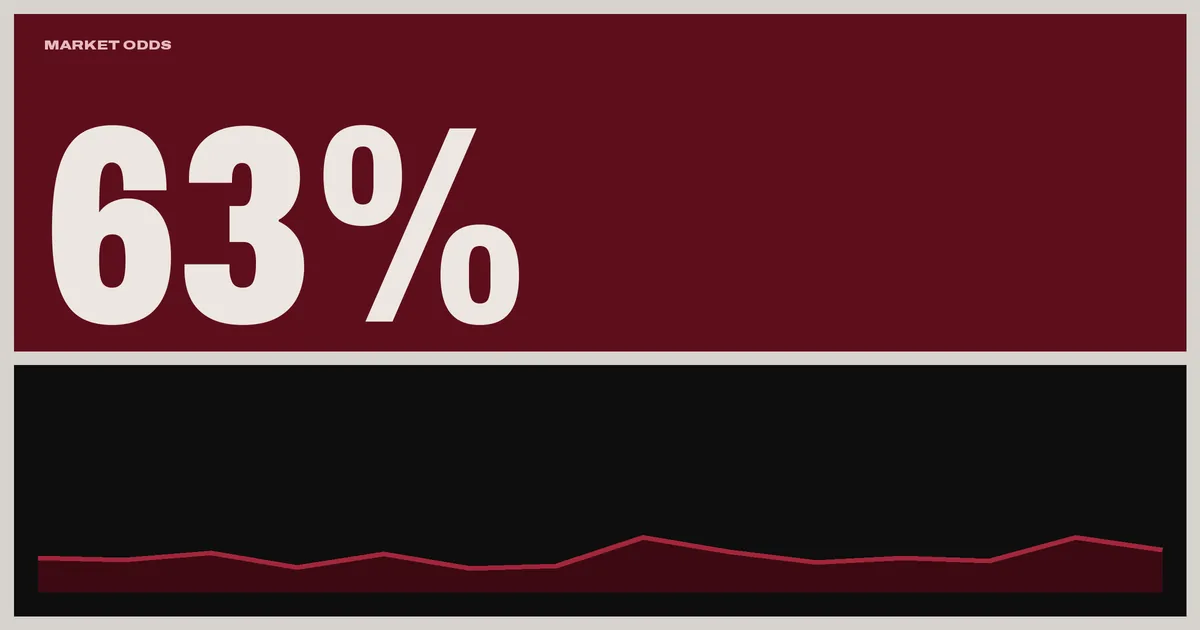
George Santos for life after he was caught betting on whether he would attend the State of the Union, according to the Post's Reuters-sourced account. A Polymarket spokesperson told the Post the firm uses surveillance systems built for political markets and claims 98% accuracy one day before voting. Polymarket's balance-of-power midterms event prices a Democratic Senate and Democratic House combination near 62–63% Yes in this batch's odds fetch, giving a single contract that nests the chamber-control questions already traded heavily on both platforms.
Why it matters
Election contracts have become a revenue pillar for prediction venues just as state AGs, the CFTC, and plaintiffs test the legal perimeter of those products—context that makes Midterm bets $220 million more than a headline notional. Concentration in Texas and a few other Senate races means a small set of campaigns can move national notional, while the shift toward margin markets expands the menu without necessarily expanding liquidity. The 70% volume share held by the top 1% of Polymarket wallets also raises the same fairness questions House Oversight members have already aired in letters to the industry.
For political desks, the Post's account is a reminder that prediction prices are not polls: they are traded probabilities shaped by a thin set of large wallets, platform rules on candidate self-betting, and the threat of enforcement if insider trading is proven. That microstructure sits beside the separate Kalshi state-oversight fight that could change which sports and election products remain available to U.S. users. The Post's detail that winner markets still dominate volume even as margin markets proliferate is a liquidity lesson: product count is not the same as traded depth, and Record-style chamber-control contracts remain the instruments large wallets actually lean on.
What's next
Watch Texas Senate pricing into November, any further candidate suspensions, and whether Congress or state AGs open new inquiries into campaign-staff betting as Midterm bets $220 million already dwarf the prior cycle. Chamber-control contracts on Polymarket and Kalshi will reprice with every poll and early-vote print. Related: Polymarket House odds favoring Democrats and Kalshi's record weekly volume.
The call
Polymarket prices "2026 Balance of Power: D Senate, D House" near 62.5% Yes as of this batch's odds fetch. We call Yes: Democrats will control both the Senate and the House after the 2026 midterm elections. Combined chamber-control pricing remains the market's modal outcome even after months of Senate and House contracts trading separately on the Record. This is a dated record call, not investment advice.
This article is for information only and is not investment advice. Calls are editorial forecasts, logged with market odds at the time of publication and kept on the record.