Kalshi weekly volume $19 billion sets platform record
Kalshi weekly volume $19 billion for Oct. 5-11 marked the CFTC-regulated exchange's highest single-week notional total as midterms and sports contracts dominated.
Kalshi weekly volume $19 billion — more precisely $19.03 billion in notional contract volume for the week of Oct. 5-11 — set a platform record for the CFTC-regulated prediction exchange. The figures above are the overlapping facts confirmed across the cited sources.
What happened
Prediction Authority said Kalshi weekly volume $19 billion topped every prior week as midterm House and Senate markets, baseball championship sports contracts, and inflation and rate contracts overlapped. The same wrap put industry volume at about $409.7 billion year to date across roughly 2.6 billion trades, against about $22 billion for all of 2025 in Macquarie estimates cited there. Third-quarter industry volume alone was about $188 billion. Polymarket U.S. product nearly tripled domestic volume over six weeks in the same account.
DeFi Rate likewise reported Kalshi weekly volume $19 billion as a notional high, noting notional differs from cash dollars paid at execution. Regulatory fights with states have not slowed the tape and may have amplified coverage. NFL opening Sunday alone generated about $1.8 billion in league-related contract volume industry-wide in NFL figures cited via a Supreme Court brief in the Prediction Authority report.
Why it matters
Kalshi weekly volume $19 billion matters because a single week now approaches scales once reserved for annual industry totals. Midterm contracts near Election Day turn political odds into continuous liquidity that traditional polls cannot match. CPI and Fed contracts sitting beside sports markets show how prediction venues have become multiproduct risk books.
For regulators, record notional arrives amid CFTC event-contract rulemaking and state challenges. Desk conversations after the print focused on whether the move was a one-session event or the start of a longer adjustment into scheduled data. That distinction matters for how quickly positioning returns. None of the cited outlets framed the episode as investment advice, and neither does this summary.
What's next
Watch whether Kalshi weekly volume $19 billion is repeated into the Nov. 3 midterms and the inflation print window. Kalshi New Jersey Supreme Court response due Nov. 9 is the next hard legal date. Polymarket U.S. volume will show if the six-week tripling persists after the election news cycle peaks.
Operational follow-through will show up in whether primary sources update figures, whether companies or regulators issue clarifying statements, and whether secondary markets treat the headline as settled. Until those updates land, the prudent approach is to keep contested secondary claims out of the first account and stick to overlapping facts from at least two independent sources.
None of the sources cited here offer investment advice, and this article does not either; the record is limited to verified overlapping facts and dated market prices where a forecast appears. Follow-up coverage will note if issuers, banks, or regulators publish corrected figures that diverge from the dual-source account used in this batch. Positioning into scheduled macro prints can amplify otherwise ordinary corporate or regulatory headlines, so calendar context belongs beside the facts rather than replacing them.
Liquidity conditions after a forced-selling episode often look calmer than positioning risk still embedded in options and perpetual futures, which is why open interest and funding deserve a second look beside the spot tape. Desk conversations after the print focused on whether the move was a one-session event or the start of a longer adjustment into scheduled data.
Secondary market reactions can overshoot the operational facts in the first session after a disclosure, which is why this desk separates price moves from the contractual and regulatory steps that actually change user options. Cross-checks between wires remain essential when timestamps differ, especially across New York evening closes and Asia morning opens that describe the same cascade with different last marks.
Follow-up coverage will note if issuers, banks, or regulators publish corrected figures that diverge from the dual-source account used in this batch. Until primary sources update, the overlapping facts above remain the working record for this news cycle. Calendar catalysts already named in the piece will decide whether the tape treats the headline as settled or still open.
The call
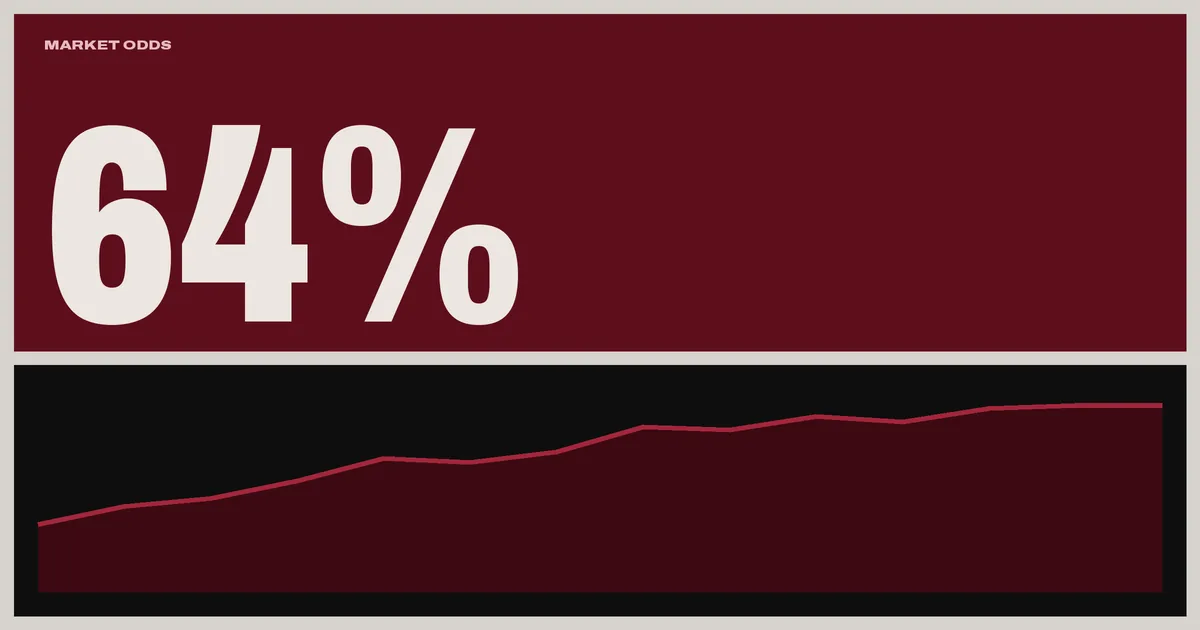
Polymarket prices Democratic control of the Senate after the 2026 midterms at about 63.5% Yes as of 05:26 UTC on 2026-10-14 (volume $3,722,621). We call Yes: The Democratic Party will control the Senate after the 2026 midterm elections. Record Kalshi volume is context for attention, not the settlement source. This is a dated record call, not investment advice.
Related: Q3 prediction markets $188 billion and SCOTUS prediction markets amicus. Those links stay on the same theme without restating unsettled secondary claims.
This article is for information only and is not investment advice. Calls are editorial forecasts, logged with market odds at the time of publication and kept on the record.