UK inflation 3.5% as fuel surge puts a November hike in play
British consumer prices rose faster than expected in September, driven by petrol and diesel, and traders now see a Bank of England rate rise next month as close to certain.
UK inflation 3.5% is the new headline number. The Office for National Statistics said on Wednesday, Oct. 21, that consumer prices rose 3.5% in the 12 months to September, up from 3.1% in August, with transport, and motor fuels in particular, making the largest upward contribution.
What happened
Motor fuel prices were 29.8% higher than a year earlier, compared with 23.0% in August, according to the ONS. The BBC reported that diesel reached its highest price since July 2022 and that the figure was slightly above economists' forecasts, the third rise in the annual rate in a row. Airfares, computer games and live events also pushed prices up, while restaurants and hotels pulled the other way.
Housing and household services inflation rose to 4.5% from 4.3%, the ONS said, and CPIH services inflation reached 3.9%. The September figure also matters for households directly: the BBC noted it is the benchmark for next April's rise in many benefits, while the state pension is expected to rise 3.9% under the triple lock because wage growth was higher.
Underlying pressure grew as well. Core CPI, which strips out energy, food, alcohol and tobacco, rose 2.8% from 2.6%. Services inflation climbed to 3.7% from 3.4% and goods inflation to 3.2% from 2.7%. The CPIH measure, which includes owner occupiers' housing costs, rose to 3.6%.
Public finances added to the gloom. The government borrowed £24.5 billion in September, more than a year earlier, and national debt passed £3 trillion for the first time, the BBC reported citing ONS data, a week before the Budget.
Why it matters
The Bank of England is the main audience. At its September meeting, the Monetary Policy Committee held Bank Rate at 3.75% by a 6–3 vote, with three members backing a quarter-point increase to 4%. The minutes warned that the risk of second-round effects on prices and wages "is greater the longer higher energy prices persist." At that point, inflation was 3.1% and expected to rise further.
UK inflation 3.5% puts the rate well above the 2% target, and the jump in core and services measures weakens the argument that the shock is only about fuel. The energy squeeze is global, a theme in our Bessent energy shock report, and crude has stayed high since the Brent crude five-month high.
What's next
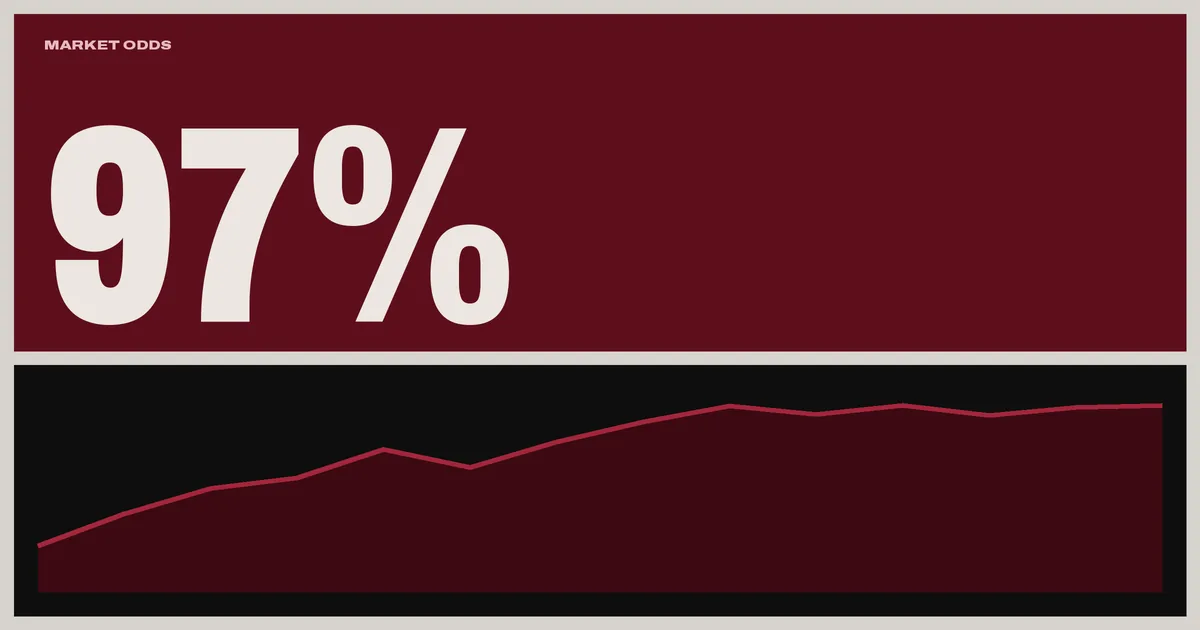
The next decision is due on Nov. 5. On Polymarket, a 25 basis point hike was priced at 97% and no change at 2% as of 08:21 MSK on Oct. 22. The full release is on the ONS website.
Chancellor John Healey blamed "conflicts in the Middle East and Europe" for rising prices, the BBC reported, and said the Budget would offer "breathing space". Whether UK inflation 3.5% marks a peak depends mainly on oil.
The call
We call that the Bank of England will raise Bank Rate by 25 basis points at its November 2026 meeting. Polymarket puts that outcome at 97%. Three members already voted for a hike in September, when inflation was lower, and the new data show core and services prices rising too.
This article is for information only and is not investment advice. Calls are editorial forecasts, logged with market odds at the time of publication and kept on the record.