Qatar Iran talks pull Brent below $112 before the midterms
Oil fell between 1% and 3% in Asian trade on Monday as Iranian and Qatari officials held a third straight day of talks aimed at ending the U.S.-Israeli war on Iran, trimming some of the war premium built up in October.
Diplomacy took a little heat out of the oil market to start the week. Qatar Iran talks in Doha entered a third straight day over the weekend, and crude prices slipped on Monday as traders priced in a slightly lower chance of a renewed escalation right after the U.S. midterm elections.
What happened
Brent futures were down $1.59, or 1.40%, at $111.84 a barrel at 00:11 GMT, while West Texas Intermediate slid $1.56, or 1.50%, to $102.56, Reuters reported via CNBC. Later in the morning the drop deepened: Moneycontrol said Brent was down 3.05% to $110 and WTI 3.10% lower at $100.9 by about 9:30 a.m. India time.
On Sunday, Iran's foreign minister, Abbas Araqchi, said the "ongoing and progressing" consultations with Qatari mediators would continue, adding that Tehran is ready for "both defence and diplomacy". According to FXStreet, Tehran has also offered a plan to reopen the Strait of Hormuz within 48 hours, conditional on the United States meeting its demands, and that Trump said negotiations were going fine.
CoinDesk linked the 3% slide to a report that Trump wants to give diplomacy more time before possibly resuming strikes after Tuesday's vote.
Why it matters
The move is a pullback, not a reset. CNBC noted that Brent closed October at a six-month high, and Tim Waterer of KCM Trade called Monday's dip "a technical pullback" after last week's gains. He warned that tougher rhetoric could push Brent toward $120 after the elections. Our Saudi Iran talks report showed how quickly earlier diplomatic hopes faded.
Physical risks have not gone away. Attacks on tankers passing through Hormuz continue to lift energy and shipping costs, and FXStreet said Iran's supreme leader ordered commanders to prepare for renewed confrontation. Producers are not adding barrels either: OPEC+ kept December targets unchanged on Sunday, as our OPEC+ December hold story detailed.
Saudi Arabia did raise October crude exports versus September despite Houthi attacks on its infrastructure, according to two of three ship-tracking firms cited by Reuters. That helps at the margin but does not offset the strait's disruption.
Qatar Iran talks therefore remain the main swing factor for crude this week, alongside Tuesday's U.S. vote.
What's next
The near-term calendar is set by the vote and by any sign of direct U.S.-Iran contact. Reuters' oil report on CNBC has the latest prices and comments.
If the Qatar Iran talks produce a framework for reopening Hormuz, prices could fall much further; if strikes resume after Tuesday, October's highs come back into view.
The call
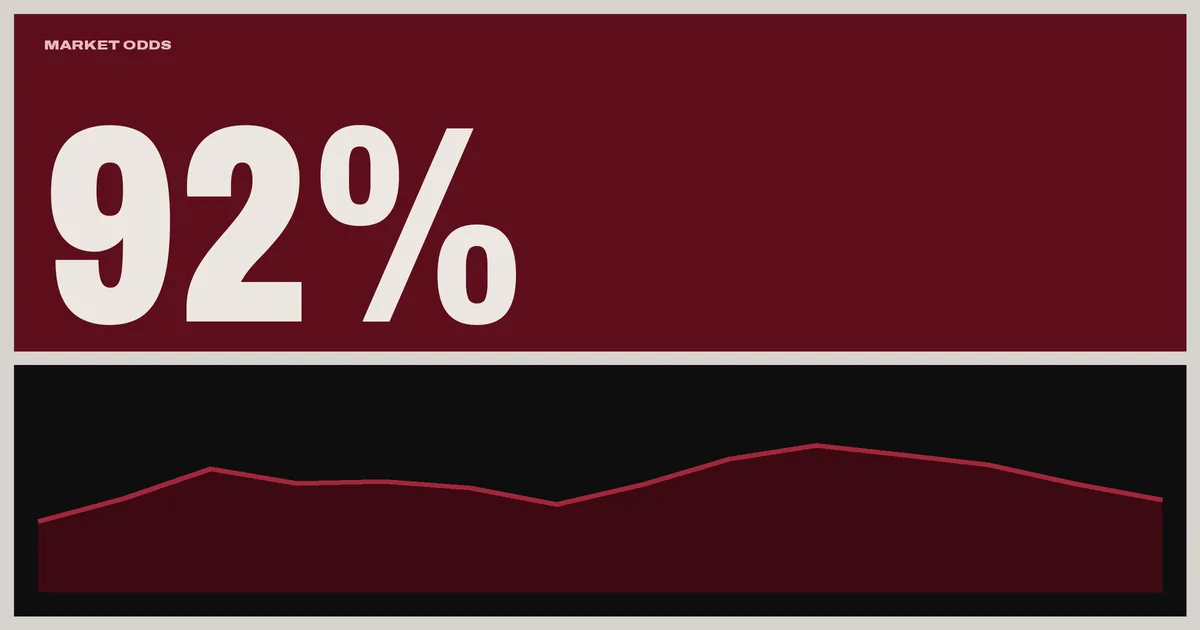
We say the United States and Iran do not sign a final nuclear deal by November 30. Polymarket's "US-Iran Final Nuclear Deal by November 30, 2026?" market priced No at 92% at 08:22 MSK on Nov. 2. It needs a written instrument signed or formally adopted by both governments by 11:59 p.m. ET on November 30; the current talks run through Qatari mediators rather than direct negotiations, which makes a signed final text within four weeks a long shot.
This article is for information only and is not investment advice. Calls are editorial forecasts, logged with market odds at the time of publication and kept on the record.