Kalshi compute markets bid asks CFTC to allow GPU price contracts
Kalshi told the CFTC that GPU rental prices already fit the definition of a commodity and asked for room to list dated, perpetual and event contracts on AI computing power.
Kalshi compute markets are back on the table. The prediction market has asked the Commodity Futures Trading Commission to let it list derivatives on the future cost of renting GPUs, the chips that run AI, Axios reported on Thursday, Oct. 22. The request came in a comment letter filed as the agency's consultation on compute contracts closed on Oct. 20.
What happened
Kalshi chief compliance officer Sudhir Jain argued on LinkedIn that "compute already fits the definition of a commodity" and that both sides of the market want to hedge. Buyers such as AI labs can lock in costs, while data center operators can protect revenue from their GPU investments, he wrote, adding that price discovery should happen in the U.S., not offshore.
The 13-page letter, received on Oct. 20 and posted on Oct. 21, asks the CFTC to "support dated, perpetual, and event contracts" and to preserve access for retail traders and commercial hedgers, according to a summary by the research site CCIR. It says the agency need not define one standard compute unit first, and should "not impose any compute-specific limitations on retail access."
On design, Kalshi wants indices to weight executed trades over posted rates, require a minimum number of contributors and use an average over a time window. Providers that trade the contracts should face position accountability and large-trader reporting, it says.
Why it matters
The CFTC opened the request for comment in August. Chair Michael Selig said then that U.S. markets would set the standard "for the commodity that will power the intelligence economy." Kalshi was reportedly told by the Commerce Department earlier this year to take down compute markets over national security concerns; Commerce denied that.
Kalshi is not alone. CME Group, Intercontinental Exchange, Polymarket's U.S. exchange, Gemini and dozens of index providers and traders also filed letters, the CCIR tracker shows. Kalshi compute markets would compete with planned exchange futures and with offshore perpetuals. The push fits Kalshi's wider move into commodities, from its WTI oil perpetual filing to the CFTC and CME perpetual futures brief.
What's next
Offshore activity is part of Kalshi's case. Polymarket's international platform, which is not open to U.S. users, has listed cash-settled contracts on daily GPU rental indices since Feb. 3, settling against Silicon Data and Ornn benchmarks, its U.S. arm told the CFTC, according to CCIR.
The CFTC has given no timeline and declined to comment to Axios. Kalshi's arguments are summarised in the CCIR compute derivatives tracker.
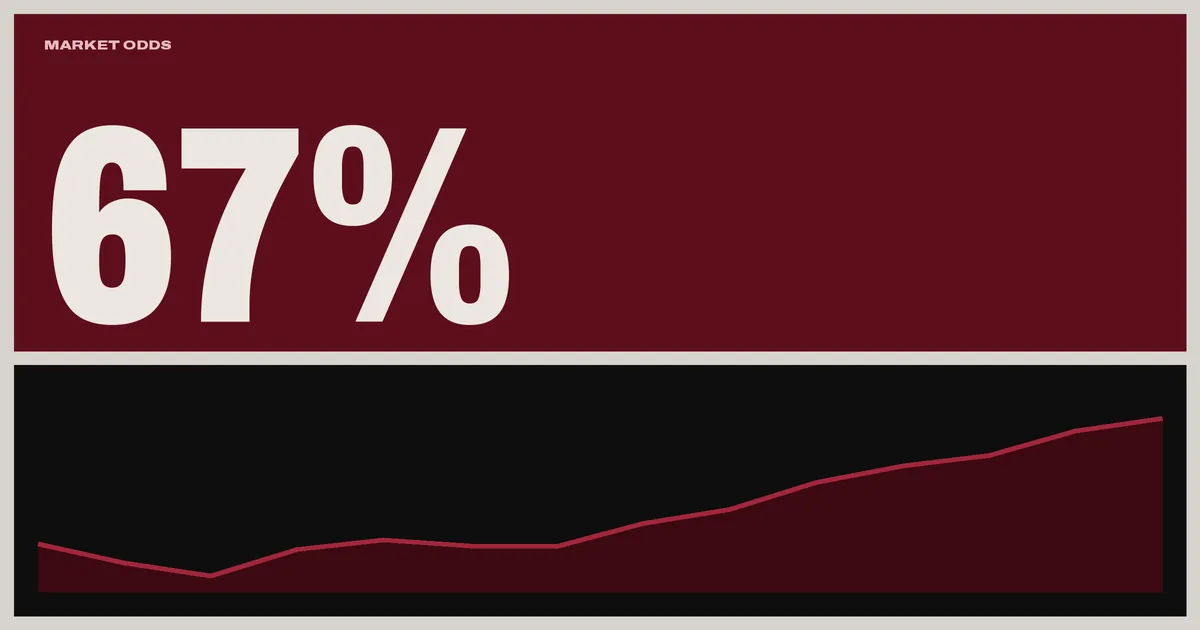
Prices are already being traded elsewhere. On Polymarket, the Ornn H200 index finishing October at $5.50 or higher was priced at 67% as of 08:29 MSK on Oct. 23. That is the kind of contract Kalshi compute markets would bring onshore.
The call
We call that the Ornn H200 Index will be at or above $5.50 for Oct. 31, 2026, per the finalized daily value on Ornn's dashboard. Polymarket puts that outcome at 67%. Every lower price bracket trades far below that level, so traders expect rental prices to hold up even as AI shares sell off. The market is thin, so this is a low-confidence call.
This article is for information only and is not investment advice. Calls are editorial forecasts, logged with market odds at the time of publication and kept on the record.