Utah Kalshi lawsuit seeks to shut sports and election bets
Utah's attorney general has sued Kalshi in state court, calling its event contracts illegal gambling and seeking to recover what it says are tens of millions in fees.
The Utah Kalshi lawsuit opens a new front in the fight over prediction markets. Utah Attorney General Derek Brown filed suit in 3rd District Court on Tuesday, Oct. 20, arguing that Kalshi's yes-or-no event contracts are gambling banned by the state constitution and asking a judge to stop them.
What happened
The complaint estimates Kalshi has collected fees of roughly $30.6 million to $61.2 million from Utah users, based on a charge of one to two cents per contract and more than $3 billion traded by state residents. It also claims Kalshi has more than 32,000 verified users in Utah and put residents' losses at about $5.5 million as of May.
Brown wants the court to bar sports, election, politics, culture and mention contracts in Utah, enforced through a court-approved geolocation provider. The state also seeks disgorgement of profits, restitution and a public nuisance finding. "Kalshi runs an online casino in Utah and calls it a prediction market," Brown said.
The complaint leans on Kalshi's own marketing, citing taglines such as "Sports Betting Legal in All 50 States on Kalshi," and says 80% to 90% of contracts on the app are sports-related, KSL reported. As of February, about 55,800 accounts had registered with a Utah address and had entered into more than 5 million contracts. Gov. Spencer Cox backed the suit: "Kalshi is gambling. Calling it something else doesn't change what it is."
Kalshi disagreed. "Kalshi is a federally regulated financial exchange, like the stock market," spokesperson Jacki McGavick said, adding that the state action "does not affect our ongoing federal litigation."
Why it matters
Utah already has the upper hand in federal court. A judge sided with the state's gambling law on Aug. 4, and Kalshi's request for an injunction pending appeal at the Tenth Circuit was denied on Sept. 8. The Utah Kalshi lawsuit now moves the fight to state court, where damages are on the table.
The broader question is whether federal commodities law overrides state gambling rules. Kalshi has asked for an extra month in its Supreme Court case and filed rehearing petitions in the Sixth and Ninth Circuits, citing upcoming CFTC rules, Gambling Insider reported. Leagues and former officials have weighed in, as our NFL Supreme Court brief and Dodd and Gensler amicus stories showed.
What's next
Asked why the state filed a civil case rather than criminal charges, Brown said his office does not comment on existing or potential criminal investigations, Utah News Dispatch reported.
Brown said he is focusing on Kalshi because it has the largest market share, and urged other operators in Utah to read the complaint. More states could copy the Utah Kalshi lawsuit if it wins early rulings.
On Polymarket, the Supreme Court agreeing to hear a sports event contract case by Oct. 31 was priced at 2%, and by Dec. 31 at 31% as of 08:25 MSK on Oct. 21.
The call
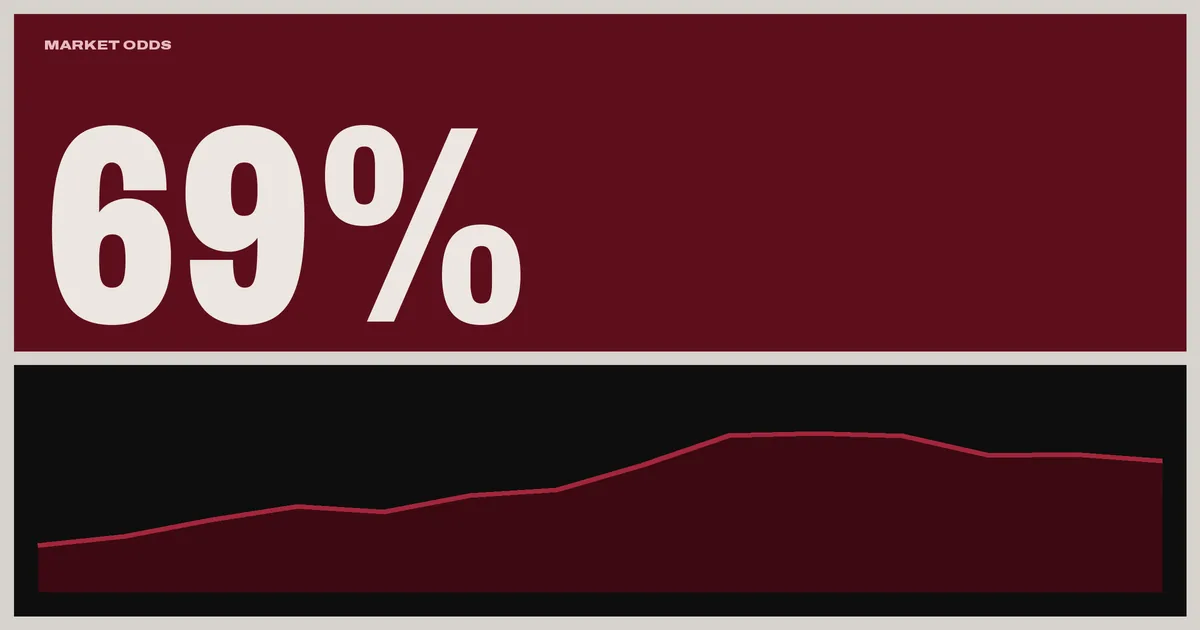
We call that the Supreme Court will not grant certiorari in a sports event contract case by Dec. 31, 2026. Polymarket puts that outcome at 69%. Kalshi's own request for more time and its rehearing petitions suggest the lower courts will move first.
This article is for information only and is not investment advice. Calls are editorial forecasts, logged with market odds at the time of publication and kept on the record.