Kalshi My Ballot pairs voters with live market odds
Kalshi My Ballot matches users' addresses to the races on their ballots and shows market odds, part of a midterm push as Texas Senate pricing favors Democrats.
The prediction market's new guide, Kalshi My Ballot, went live on Thursday inside its Midterms Hub, using Ballotpedia data to show users the races on their own ballots alongside the exchange's market prices. The feature arrives less than three weeks before the Nov. 3 midterms, as prediction venues compete to become a default screen for election watchers.
What happened
In its announcement, Kalshi said the tool matches each user's address to contests from U.S. Senate, House and governor races down to state legislative seats and statewide ballot measures, then shows Kalshi market data where active markets exist. It adds to the Race Intel data from VoteHub, which includes polling averages, FEC fundraising data and past presidential results.
Kalshi said more than 80% of visitors to its Midterms Hub do not trade and use it instead as part of their media diet. Chief Executive Tarek Mansour called markets an antidote to partisan misinformation, while Ballotpedia founder Leslie Graves said the goal is helping voters find accurate information about what is on their ballot. The guide is available on Kalshi's website and app through Election Day.
Prediction News said the launch builds on Kalshi's CBS News partnership and comes while the company fights gambling-framed enforcement in Ohio and Tennessee. It also cited a Reuters/Ipsos poll showing 60% of Americans oppose election betting.
The partnership was first reported by Punchbowl News, according to Prediction News. Because the guide lists the contests on a user's ballot and adds market data only where Kalshi has active markets, it doubles as a basic voter guide.
Kalshi stressed that prices in the hub are not set by the company but on a public order book by traders putting their own money behind their views. It also argued that midterms typically draw lower turnout and that many voters know little about races further down the ticket.
Why it matters
Kalshi My Ballot is a distribution play as much as a civic one. Turning a ballot lookup into a market screen widens the funnel of politically curious users, which can deepen liquidity if even a fraction of them start trading.
The flip side is political risk. Mainstream exposure raises the cost of banning election contracts, but it also puts them in front of voters who may object to them, Prediction News noted.
Race-level pricing is where these tools get tested. On Polymarket, the contract asking whether Democrats win the 2026 Texas Senate race has drawn about $1.75 million of volume and prices the Democratic nominee as the favorite. That makes Texas a marquee test of whether market odds beat the polls this cycle.
What's next
Kalshi says My Ballot will cover every race with an active market through Election Day on Nov. 3. Watch whether state regulators respond to the push, and whether rivals copy the ballot-lookup format before voting ends.
Midterm trading has already broken records, as shown by midterm bets topping earlier cycles and House control odds that still favor Democrats. Chamber-control contracts already sit on our Record, and Kalshi My Ballot now brings the down-ballot races into the same screen.
The call
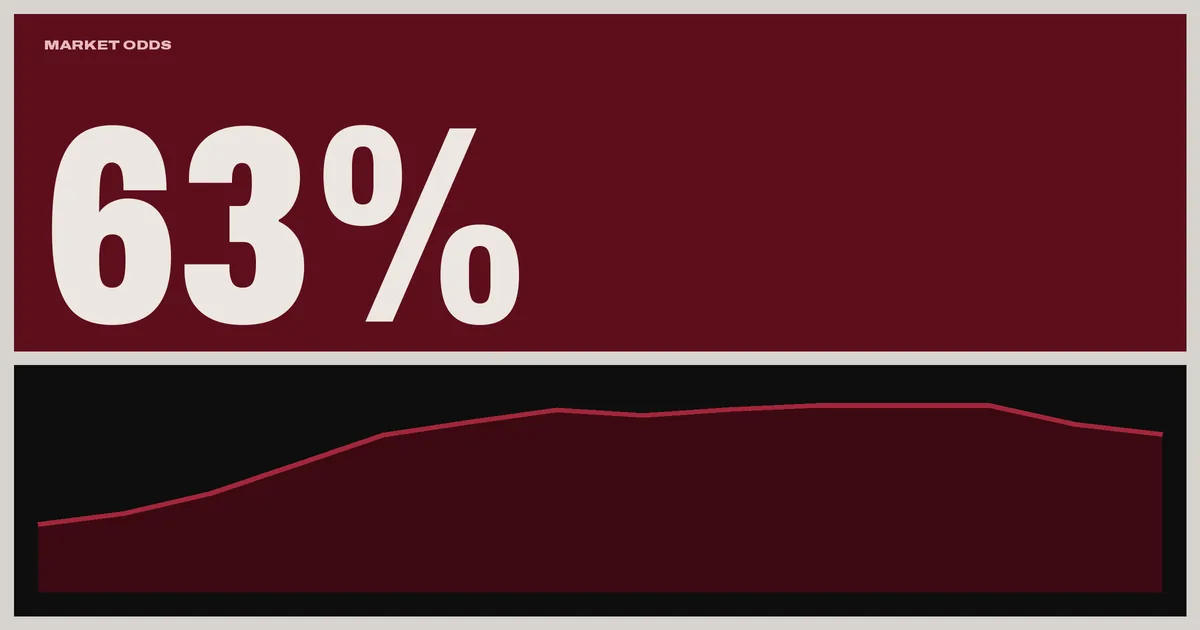
Polymarket prices "Will the Democrats win the Texas Senate race in 2026?" near 62.5% Yes as of this batch's odds fetch. We call Yes: the Democratic nominee will win the 2026 U.S. Senate election in Texas. The contract is one of the more liquid Senate markets and has Democrats as clear favorites, consistent with the chamber-level calls already on our Record. This is a dated record call, not investment advice.
This article is for information only and is not investment advice. Calls are editorial forecasts, logged with market odds at the time of publication and kept on the record.