Glamsterdam contract breakage could hit 15,000 Ethereum contracts
Glamsterdam contract breakage could affect up to 15,000 Ethereum smart contracts because of new gas rules, and developers will revisit the plan on Thursday.
Ethereum's next major upgrade has run into a compatibility wall. Glamsterdam contract breakage could affect as many as 15,000 smart contracts, an Ethereum Foundation developer told colleagues on Monday, and core developers will take another look on Thursday at the gas changes behind the problem.
What happened
Marius van der Wijden gave the estimate on a Nov. 16 core developer call. He called the affected programs a fringe subset of Ethereum's roughly 90 million contracts and loosely put the value at risk in the low hundreds of thousands of dollars. The trouble comes from EIP-8037 and EIP-8038, two proposals that change how the network charges for storing and reading data with the aim of lifting the block gas limit from 60 million to up to 200 million.
Under EIP-8037, creating new permanent state would be billed separately. Deploying a contract would cost about 183,600 gas instead of 32,000, and a fresh storage slot about 97,920 gas instead of 20,000, CoinDesk reported. Plenty of older apps assumed those prices would never move, or hard-code a fixed amount of gas when they call into other contracts.
Why it matters
Outside audits found far more trouble spots than earlier reviews. ChainSecurity reported 152 findings, about half of them overlapping with the foundation's internal research, for a combined total of roughly 200, most tied to higher gas costs. Dedaub examined about 25,000 contracts with unusual gas use and flagged 70 medium- and high-risk issues, 22 of which the foundation had missed. The foundation's own outreach found three flaws rated high severity plus 25 or more of medium severity, most already being patched.
The Glamsterdam contract breakage debate goes to the core of Ethereum's promise that deployed code can be trusted to keep working. Juicebox builder Jango warned that the change hurts composability and developer confidence, and a Uniswap developer said EIP-8037 should be reconsidered. Van der Wijden conceded that planned outreach fell behind while the foundation went through reorganizations and budget cuts. Researcher Ansgar Dietrichs, a co-author, argued the upgrade should still go ahead with clearer communication.
What's next
Thursday's execution-layer call will weigh whether to keep, rework or drop the two proposals. Removing them could delay Glamsterdam, and the wider road to post-quantum security, by four to six months, Decrypt reported. The Hoodi testnet fork, already held up over EIP-8037, stays paused until the bugs are fixed, leaving mainnet without a date and well behind the early test plans for Sepolia. However the call goes, Glamsterdam contract breakage will shape how much disruption Ethereum accepts in exchange for scale. CoinDesk's report is here.
The call
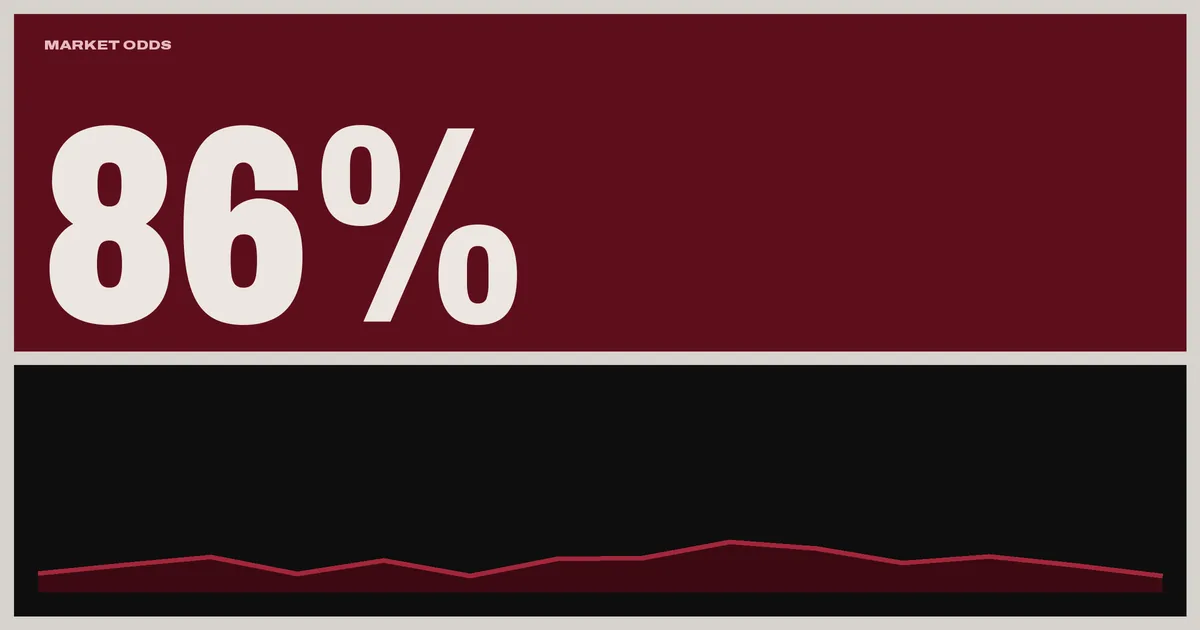
Our call: Ether will not trade at or below $1,500 on Binance's ETH/USDT pair at any point in November 2026. ETH sits around $1,800 after a heavy month, so a further drop of about a sixth in under two weeks would be needed. Polymarket priced No at 86% at 08:28 MSK on Nov. 18.
This article is for information only and is not investment advice. Calls are editorial forecasts, logged with market odds at the time of publication and kept on the record.