Anthropic Distillation Safeguards Cut Extraction 90%
Anthropic distillation safeguards cut data harvested in model-copying attacks by about 90% to 99%, the company said Monday, as rivalry intensifies over AI cloning.
Anthropic said Monday that new Anthropic distillation safeguards reduced data harvested in so-called distillation attacks against Claude by about 90% to 99%. The company framed the change as a product-security response to industrial-scale model cloning.
What happened
Economic Times, carrying a Reuters report updated Oct. 13, said Anthropic distillation safeguards restricted access to Claude's reasoning tokens and hardened proxy probing. The firm banned tens of thousands of accounts linked to distillation campaigns and cited Chinese startup Z.ai (Zhipu) as an example of attempted distillation while developing GLM-5.3. Z.AI did not immediately respond to Reuters on the citation.
the number of reasoning tokens extracted by distillers is now 10 to 100 times lower than it was before
Reported metrics from the same Reuters wrap include:. The figures above are the overlapping facts confirmed across the cited sources.
- Extraction cut of about 90% to 99% versus prior baselines
- False-positive rate under 0.1% on the new safety system
- Tens of thousands of accounts banned for distillation campaigns
Al Jazeera separately noted the same Monday announcement in a wider Anthropic safety package. The outlet said the firm accused Chinese competitors DeepSeek, Moonshot, and MiniMax of industrial-scale efforts to copy Claude. Model distillation has become a core competitive and national-security concern as U.S. labs argue rivals can reproduce capabilities faster by querying frontier systems at scale.
Anthropic also described the new controls as roughly as robust as systems that keep Claude from helping build bioweapons, according to the Reuters account carried by Economic Times. That comparison is a communications choice as much as a technical one, but it signals how seriously the lab now ranks distillation among catastrophic misuse risks. The same package sat beside other Anthropic safety research disclosed Monday, including Frontier Red Team work on self-replication timelines for small open-weight models.
Why it matters
Anthropic distillation safeguards matter because frontier labs increasingly treat query access as an attack surface, not only a product channel. If reasoning-token extraction falls by an order of magnitude, the economics of cloning Claude shift—even if determined actors still try. The Z.ai citation raises diplomatic and commercial stakes that go beyond product security copy.
For customers, a sub-0.1% false-positive claim is the other half of the story: overblocking legitimate reasoning use would tax enterprise workflows. Pairing the distillation notice with Al Jazeera's self-replication research coverage shows Anthropic pushing multiple safety narratives on the same news day. None of the cited outlets framed the episode as investment advice, and neither does this summary.
The commercial backdrop is a private lab that is already a Polymarket IPO favorite for a 2026 listing window. Shipping harder distillation defenses is part of how Anthropic argues its models stay scarce and its API remains the controlled path to capability. That does not prove an IPO calendar, but it is the kind of product-security story investors price when they underwrite a frontier lab.
What's next
Watch whether OpenAI and Google publish comparable distillation-resistance metrics, and whether Z.ai or other named firms respond on the record. Enterprise buyers will ask how Anthropic distillation safeguards change API rate limits and reasoning visibility.
Operational follow-through will show up in primary-source updates, clarifying statements, and whether secondary markets treat the headline as settled. Until those updates land, keep contested secondary claims out of the first account and stick to overlapping facts from at least two independent sources. Desk editors will also watch whether Claude API documentation updates spell out new reasoning-visibility limits for enterprise tenants. Any such change would be the practical test of Anthropic distillation safeguards beyond the launch-day percentages.
Regulators watching model-export and cloud-access rules will also read the ban tallies and proxy hardening as evidence that query-based cloning is a live compliance issue, not a hypothetical. Follow-up coverage should note if Anthropic revises the 90-99% extraction cut or the sub-0.1% false-positive figure after independent probes.
The call
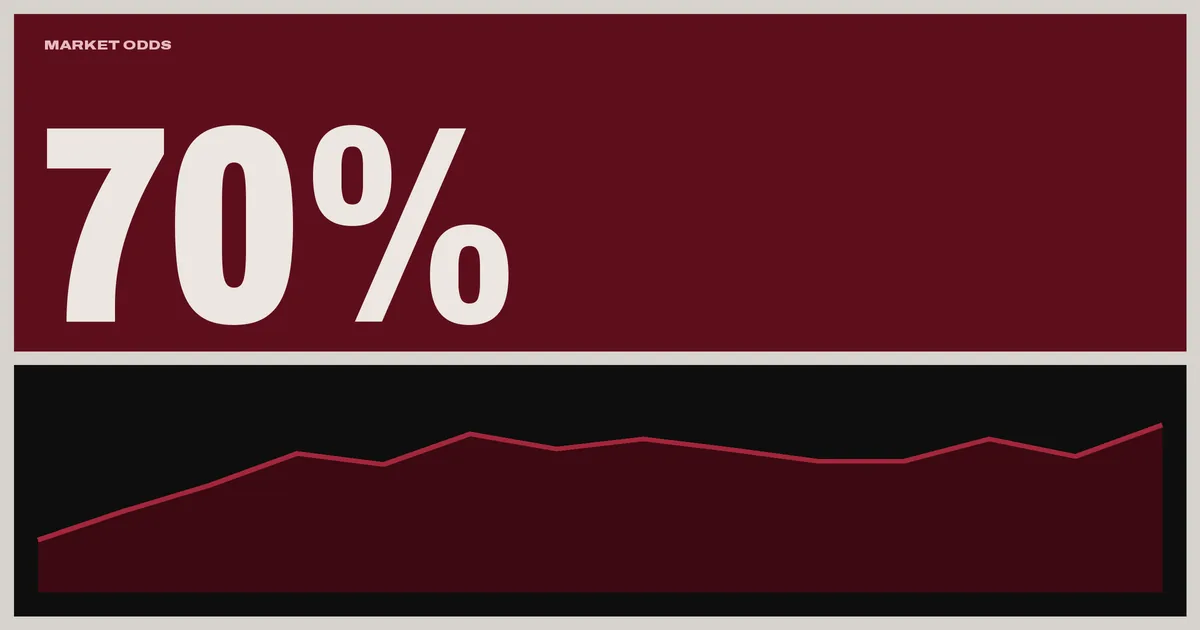
Polymarket prices Anthropic completing an IPO by December 31, 2026 at about 69.5% Yes as of 05:28 UTC on 2026-10-13 (volume $1,087,709). We call Yes: Anthropic will complete an IPO by December 31, 2026. Safety product shipping and distillation defenses are part of the commercial story investors will underwrite, but this is a dated record call on a crowd market, not investment advice.
Related: Claude Haiku 5.5 and UK AISI frontier access. Those links stay on the same Anthropic safety theme without restating unsettled secondary claims.
This article is for information only and is not investment advice. Calls are editorial forecasts, logged with market odds at the time of publication and kept on the record.