OpenAI Apple countersuit accuses the iPhone maker of squeezing shared suppliers
OpenAI filed counterclaims in San Jose accusing Apple of trade-secret theft and of pressuring manufacturers to limit work on OpenAI devices, turning Apple's lawsuit into a two-way fight.
The legal fight over who builds the first must-have AI gadget has become a two-way battle. On Nov. 27 OpenAI filed counterclaims against Apple in federal court in San Jose, California, and the OpenAI Apple countersuit accuses the iPhone maker of stealing trade secrets and leaning on hardware suppliers that work for both companies.
What happened
Apple sued in July, alleging that OpenAI, its io Products hardware unit and former Apple employees Tang Tan and Chang Liu carried confidential hardware files to the AI company, Decrypt reported. OpenAI denied that. Its new claims include theft of trade secrets under federal law, contract interference and unfair competition under California statutes.
According to Bloomberg, as published by Yahoo Finance, OpenAI says a former employee who left Apple, spent time at OpenAI and then returned sent over 100 confidential files on at least one device that has not been released to personal accounts, including images, engineering and manufacturing data and supplier details. OpenAI also says Apple asks suppliers to name their OpenAI projects and the workers assigned to them. One finishing supplier moved OpenAI work to a night shift to avoid overlapping with Apple jobs, raising OpenAI's costs, the filing alleges.
Why it matters
The OpenAI Apple countersuit also targets employment terms, including a one-year bar on former Apple staff recruiting their old colleagues, which OpenAI calls an unfair restraint. Apple said it has policies against using former employers' confidential information, found no evidence for OpenAI's claims and sees the filing as a distraction from evidence that OpenAI staff took Apple product information, Bloomberg reported.
Hardware is the prize. OpenAI is developing devices with former Apple designer Jony Ive, starting with what is expected to be a doughnut-shaped smart speaker, Bloomberg said. In October OpenAI agreed not to use the information Apple calls trade secrets after the judge signaled he was highly likely to issue such an order. The case lands as OpenAI's finances draw scrutiny, from quarterly revenue near $10 billion to IPO odds on prediction markets.
What's next
Apple's original case is set for trial on July 19, 2027, Decrypt said, so the OpenAI Apple countersuit will run on the same schedule unless the judge splits the claims. OpenAI also withdrew its motion to dismiss Apple's suit. Decrypt's report is here.
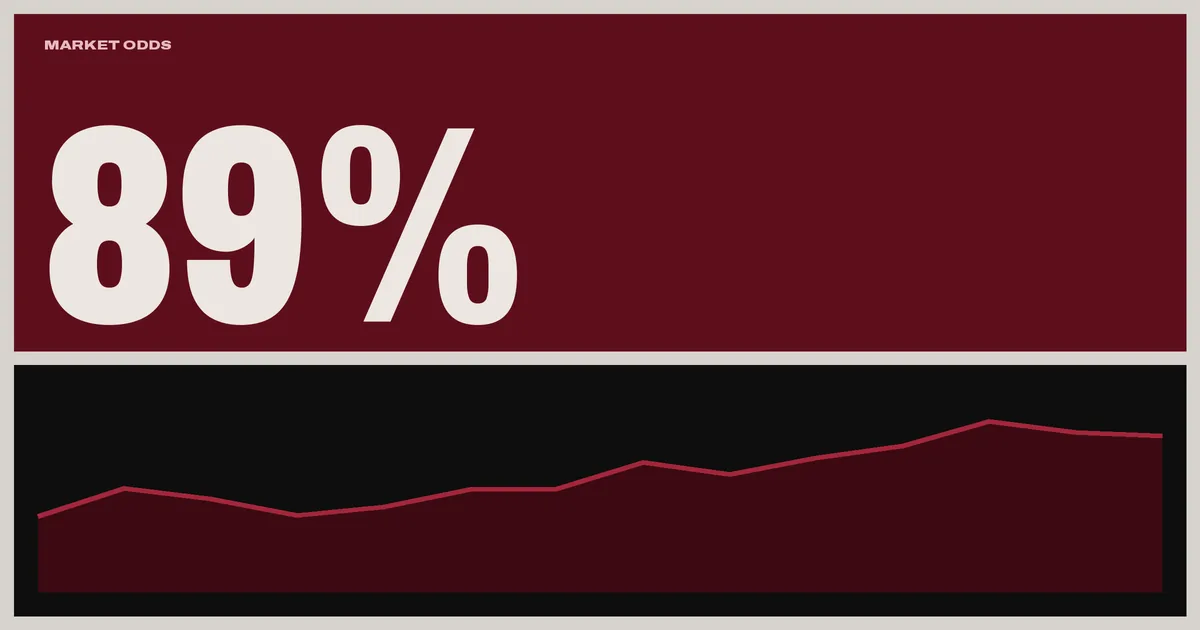
A related question is whether OpenAI ships a device this year at all. Polymarket's market on a new OpenAI consumer hardware launch by Dec. 31, 2026, priced No at 89% at 08:26 MSK on Nov. 28, in a thin market.
The call
Our call: OpenAI will not publicly launch a new consumer hardware product by Dec. 31, 2026, as defined by Polymarket's rules. With about a month left, none of the coverage of the case points to a launch date, and a legal fight over suppliers is not the backdrop for a rushed release. A surprise holiday launch is the main risk to this view. Polymarket priced No at 89% at 08:26 MSK on Nov. 28. This is not investment advice.
This article is for information only and is not investment advice. Calls are editorial forecasts, logged with market odds at the time of publication and kept on the record.