Bitcoin Below $83,000 as Oil and Yields Squeeze Crypto
Bitcoin slipped under a support level analysts had flagged on Tuesday as Brent crude topped $102 and Treasury yields pushed back toward two-decade highs.
Bitcoin below $83,000 is the picture crypto traders woke up to on Thursday, October 8, 2026. The largest cryptocurrency lost about 1.6% during Asian morning hours to trade just under $82,800, according to CoinDesk, after oil jumped on a report that the White House had asked the Pentagon for strike options against Iran. The move broke a level that broker FxPro had said would confirm sellers were in control, and it came only days after bitcoin was trading above $86,000.
What happened
The selling started a day earlier. Bitcoin fell below $84,000 shortly after midnight UTC on Wednesday, October 7, when Iran stepped up attacks on tankers in the Strait of Hormuz and Brent crude rose above $101 a barrel, CoinDesk reported. Liquidations of leveraged positions climbed 235% to $547 million over 24 hours, based on CoinGlass data, with ether positions accounting for $174 million of that total.
On Thursday the pressure continued. Brent rose another 2% to above $102 a barrel. Besides the Iran report, a storm shut some U.S. oil output and Iran-backed Houthi rebels struck two airports in Saudi Arabia, killing three people. The jump in crude pushed the 10-year Treasury yield up two basis points to 5.31%, and Asian shares fell about 1%.
Proactive Investors put bitcoin at around $82,802 at its latest check, after a session low of $82,783 and a high of $84,332 earlier in the day. It said around $394 million of crypto positions were reportedly liquidated within a single hour during the sharpest part of the decline.
Altcoins fell further than bitcoin. XRP dropped nearly 4% to about $1.42, dogecoin slid 3% to just under 9 cents, and ether lost 3% to about $2,570, according to CoinDesk data. HYPE and SOL each fell more than 2%. BNB and TRX were the only gainers among the majors, each rising less than 1%.
Why it matters
The level itself matters because traders had been watching it. FxPro said on Tuesday that a break below $83,000, the recent low, would confirm that sellers had taken control, and that it could send bitcoin to $80,000 "fairly quickly," CoinDesk reported. Bitcoin below $83,000 is therefore not just a round number; it is a test of whether the September rally still has support underneath it.
The backdrop is macro rather than crypto-specific. Proactive Investors pointed to three external pressures arriving together: a 10-year Treasury yield above 5.3%, Brent above $100 and a stronger dollar. Higher yields raise the return available on low-risk government debt, which makes assets that pay no income, such as bitcoin, relatively less attractive. CoinDesk noted that bitcoin's last two losing days both came as oil climbed and yields rose. For more on that bond move, see our report on Treasury yields reaching their highest since 2002.
Positioning also helps explain the speed of the drop. Bitcoin had gained more than 30% over the previous three months, Proactive said, which left room for profit-taking. CoinDesk's derivatives data showed perpetual funding rates for bitcoin and ether had turned slightly negative, meaning short sellers were paying to hold their positions. Bitcoin futures open interest stood at about 660,000 BTC, up from an 11-month low of 626,000 BTC on September 30 but far below this year's record near 800,000 BTC.
Not every signal was negative. U.S. spot bitcoin ETFs took in $119 million on Tuesday, according to SoSoValue figures cited by CoinDesk, their fourth day of inflows in five sessions. Bitcoin's 30-day implied volatility also stayed near its year-to-date low, a sign that options traders were not pricing a crash.
What's next
Analysts have marked out the next zones clearly. Proactive Investors said a sustained break could bring $80,000 to $81,000 into view, the area where bitcoin consolidated before September's rally accelerated. On the upside, bitcoin would need to recover above $85,000 before another attempt at the $86,500 to $87,000 band becomes likely. That band has capped bitcoin repeatedly, as we covered when the $87,000 resistance held for a third time.
The near-term driver is probably oil. CoinDesk observed that a drop in Brent back below $100, where it traded on Tuesday, would ease the pressure on bitcoin. Traders will also watch whether funding rates stay negative and whether ETF inflows hold up after the drop. Bitcoin below $83,000 could prove a brief overshoot or the start of a deeper reset, and the answer will probably come from the bond and oil markets rather than from crypto itself.
The call
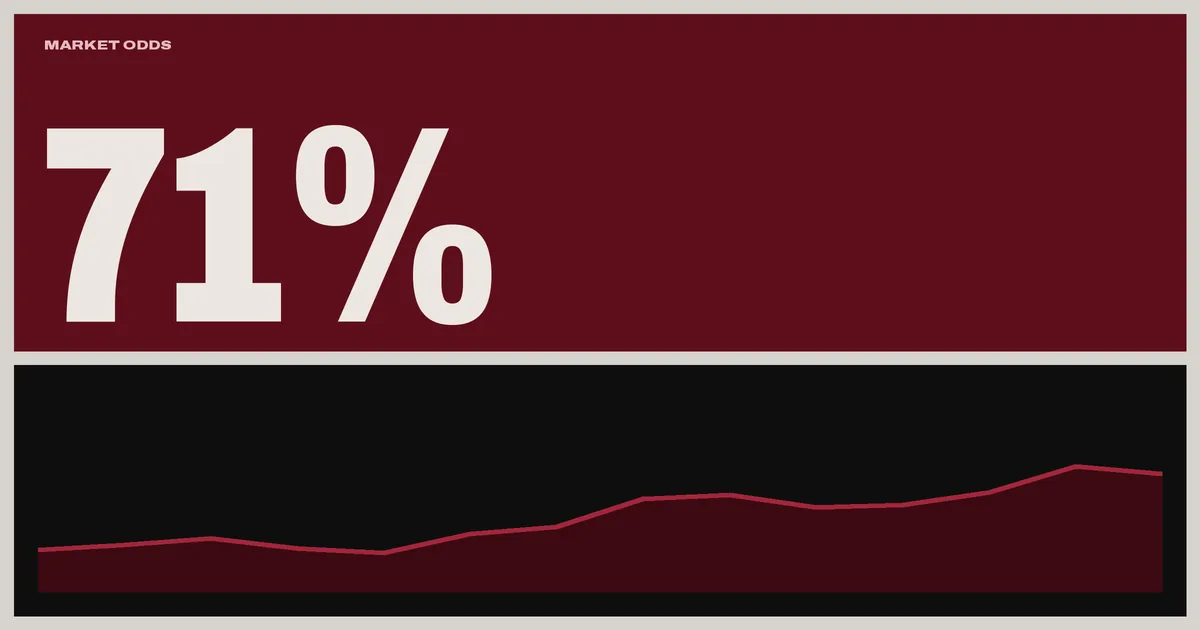
Polymarket runs a market on whether bitcoin will dip to $80,000 at any point in October. It resolves Yes if any Binance BTC/USDT one-minute candle during the month has a low at or below $80,000. When Called It checked it at 05:24 UTC on 2026-10-08, "Yes" traded at 70.5%.
Our call: Yes. With bitcoin below $83,000, the $80,000 level is less than 4% away and more than three weeks of October remain. The trigger only needs one one-minute candle, and the forces behind this week's decline, oil and yields, have not eased. A quick reversal in crude could prove us wrong. We will check the result on November 1, 2026. This is a dated market call for the Called It record, not investment advice.
This article is for information only and is not investment advice. Calls are editorial forecasts, logged with market odds at the time of publication and kept on the record.